Winter is not one single condition. A dry, cold morning on a city block feels very different from a powder day in the mountains, and the best boot for one setting can be too warm, too heavy, or not grippy enough for another. Start by thinking about where you will actually wear your boots, then choose the features that support that routine.

For winter hikes and active trails
If you keep hiking when temperatures drop, look for a boot that keeps the agile feel of a trail shoe while adding weather protection. A waterproof upper, moderate insulation, and a sole with dependable edge control are a strong starting point. Gaiter-friendly details are useful when loose snow is likely to spill over the collar.
Do not automatically choose the warmest model. If you move quickly or live somewhere with milder winters, an uninsulated waterproof hiking boot may be more comfortable. Your socks, pace, and the length of the outing matter just as much as the label on the box.
For deep snow and powder days
Snow-play days call for more than a waterproof shell. Choose a taller collar, generous insulation, and a sole designed to bite into packed snow and ice. A roomy toe box gives your toes space to move, while a secure heel keeps the boot from sliding when you climb or brake.
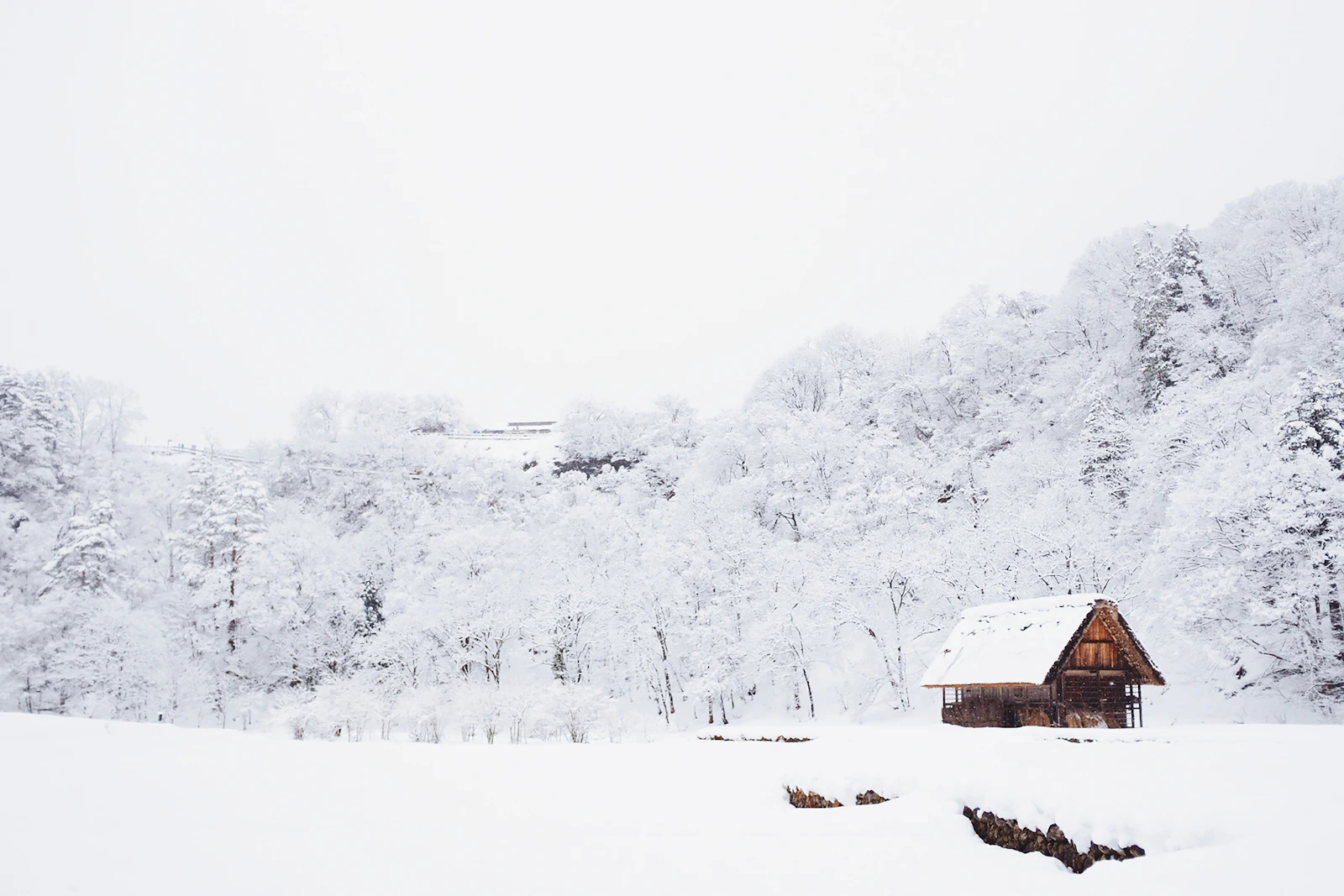
Remember that thick insulation is not a substitute for a good fit. Try winter boots with the socks you plan to wear, and leave enough room for circulation without allowing your heel to lift.
For errands, dog walks, and shoveling
Everyday winter boots need to be easy to put on, comfortable for short walks, and capable on wet pavement. Waterproof Chelsea boots and pull-on styles are especially convenient when you are heading outside for only a few minutes at a time. Look for a flexible sole, a tread pattern that clears slush, and enough insulation for your local temperatures.
For commuting and winter travel
Travel boots should balance warmth with walkability. Light insulation is often enough for moving between transit stops, shops, and heated buildings. A lighter boot also takes up less room in a suitcase and is easier to wear through a full day of sightseeing.

Four details worth checking before you buy
- Waterproofing: useful for slush and wet snow, but check that the tongue and seams are protected too.
- Insulation: choose based on activity level and climate, not just the lowest temperature rating.
- Traction: deep, well-spaced lugs help outdoors; a flexible, stable sole feels better on pavement.
- Fit: test with winter socks and make sure toes can move while the heel stays secure.
When you match the boot to the conditions, winter becomes much easier to enjoy. Think about your most common route, choose the protection you genuinely need, and leave room for comfortable movement. The right pair should make cold weather feel like an invitation—not a reason to turn back.